Table Of Content
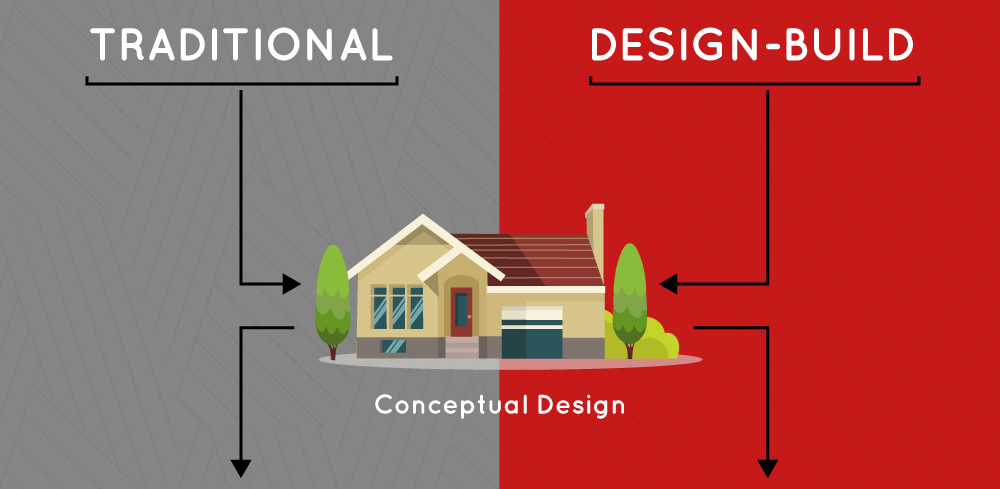
At Horst Construction, this includes at least three to five subcontractor bids for each trade package and a guaranteed maximum price (GMP). New York City’s GLUCK+ started using Architect-Led Design-Build 25 years ago and has since used the arrangement on a range of projects across the country. “We started Design-Build because we recognized that the traditional model is broken,” says Stacie Wong, principal at GLUCK+. The architect and the builders generally go back and forth like a divorcing couple who can’t wait until the day the project is done and they never have to speak to each other again. Subcontractors and consultants on either side have to wade through this web of misery, and the chaotic communications end up with a lot of crossed wires, misdirections and harried last-minute changes.
Minimizes Owner Risk
As one of seven founding members of the Design-Build Institute of America (DBIA), it’s clear that Design-Build is part of who we are. It gives us the flexibility to find the best construction solutions, and it accounts for 90 percent of our projects. As ideas come to the table, teams work as one unit to analyze them, in full transparency, so owners are assured of getting the best materials, siting, schedule, design and more. This innovative process makes it possible for owners to see more options, make better-informed decisions and realize a better value. It’s the fastest growing and most popular method used to deliver construction projects in America. Contracts for commercial construction projects usually cover a complete scope of work, but large institutions often have ongoing needs for smaller projects.
More Collaboration = Less Risk and Mistakes
Wong thinks the benefits come to those who are willing to get out of their routines and try something new. “When a building can meet the mission statement for an organization on an extremely limited budget, it is a reminder of how powerful the ALDB process can be,” Wong says. Since traditional construction methods involve several companies, each operating on its own timeline, any change or surprise during any phase of the project can lead to unpredictable delays.
Preparing the Employer’s Requirements
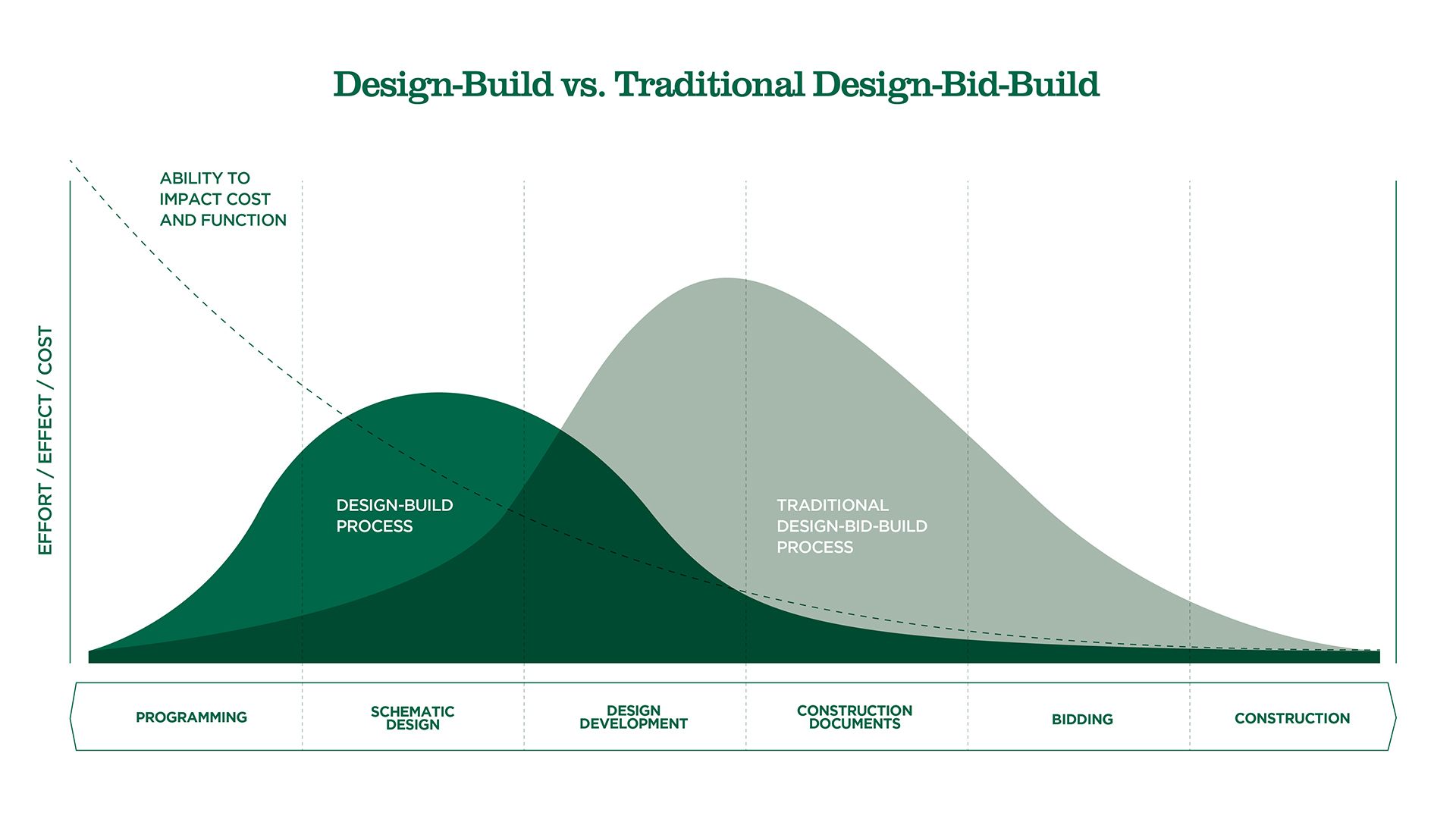
It’s clear that Design-Build projects are delivered faster, more cost-efficiently and with fewer change orders that lead to unforeseen costs and schedule delays. Based on numbers from that study, the chart below compares the time and money savings Design-Build provides against design-bid-build (DBB) and construction manager at risk (CMR). Design-Build is a construction delivery method that provides owners with a single point of contact for both the design and construction phases of a project. This entity, the Design-Builder, manages all contracts with companies, such as subcontractors, equipment vendors and materials providers.
Design-Build buyer's guide: procurement, contracts and project execution
We personalize the experience you have with us, while keeping education options flexible so members can learn, collaborate, and translate design and construction best practices and connections into career and business opportunities. Procurement trends survey, getting closer to your supply chain, published by Ryder Levett Bucknall (RLB) in March 2022, suggests that design and build is now the most commonly-used procurement route. I am a corporate attorney with several years of experience with contracts, corporate and business, government projects, and employment law. The cost of hiring a design-build firm for your project will vary; however, design-build firms usually charge fees of around 5% of a project's total cost.
The Impact of Design-Build on the Construction Industry
Such a massive difference in length could make or break a project's feasibility. Its segmented nature can keep conflicts to a minimum and allow all teams to focus on their individual roles, but it can slow down the construction process. While a compressed schedule can benefit both owner and design-builder, it does throw a lot of balls in the air for the design-build team. The builders must manage construction while simultaneously consulting on further design. Further, a shortened schedule can impact the risk level for the design-builder, as many unknown factors are in place when the construction begins. Design and Build contracts are versatile and suitable for various projects, ranging from simple industrial sheds to more complex developments.
New Law Allows School Districts to Enter Design-Build Contracts - JD Supra
New Law Allows School Districts to Enter Design-Build Contracts.
Posted: Tue, 22 Aug 2023 07:00:00 GMT [source]
In many builds, Design-Build saves more in opportunity costs than it saves in accounting costs. Due to the smooth nature of Design-Build project delivery, owners can reduce time spent managing a build. Due to its efficiency, Design-Build often reduces construction costs for owners. This may come as a surprise, given that Design-Build projects lack the hard-dollar bid phase that general contracting affords. But building smart with Design-Build pays dividends, reducing both real (accounting) costs and opportunity costs.
What is the design and build procurement route?
The structure is expected to be 9,000 square feet and house up to 150 individuals based on its design. Finally, we will also publish a separate consultation seeking views on a build out financial penalty to incentivise developers to build out homes more quickly in due course. The building makes use of geothermal wells to circulate water through clay walls and concrete slabs for heating and cooling.
Then the general contractor, subcontractors and material suppliers build per the specified design. Once project design details are in place, the design-builder seeks bids from subcontractors and trades to create a guaranteed maximum price (GMP). They then deliver it to the owner for consideration, and negotiations and design tweaks are made as needed to get the GMP and the project to the right place. In the design-bid-build method, the project owner must oversee communications with the architect, engineer, construction firm, and sometimes others.
One of the most beneficial aspects of design-build delivery is its ability to compress a construction schedule. Because the design and build teams are contracted together, the contracting team doesn't have to wait for design completion to get started on building. Construction can begin on earlier project phases before the final design is complete. DBIA’s mission is to promote the value of design-build project delivery and teaches the effective integration of design and construction services to ensure success for owners and design and construction practitioners.
It is a collaborative approach that consists of the client, design-build team, and other stakeholders working together from start to finish to ensure project success. Delivery methods determine the roles and responsibilities of the project stakeholders during the different phases of construction. In design-bid-build, construction progresses in three distinct phases that follow one another, just as the name suggests.
Design–build (or design/build, and abbreviated D–B or D/B accordingly), also known as alternative delivery,[1] is a project delivery system used in the construction industry. It is a method to deliver a project in which the design and construction services are contracted by a single entity known as the design–builder or design–build contractor. It can be subdivided into architect-led design–build (ALDB, sometimes known as designer-led design–build) and contractor-led design–build. Construction project delivery methods dictate how project stakeholders interact throughout the construction phases. While their names sound similar, they are quite different in the roles they prescribe for the owner, designer, and contractor throughout the construction project. Design-bid-build (DBB) is a traditional construction project delivery method that involves the completion of three distinct phases in sequence.
As the only association representing the entire spectrum of design and construction professionals, we foster collaboration that powers industry transformation. By convening multiple disciplines and stakeholders to bring together disparate perspectives for real-world application, we power thousands of success stories. In a two-stage process the contractor is first selected on the basis of a fee, preliminaries, overheads and profit. The employer gives potential contractors their ‘employer’s requirements’ setting out what they need from the project, and the contractors respond with ‘contractor’s proposals’, which include a price for the works.


No comments:
Post a Comment